


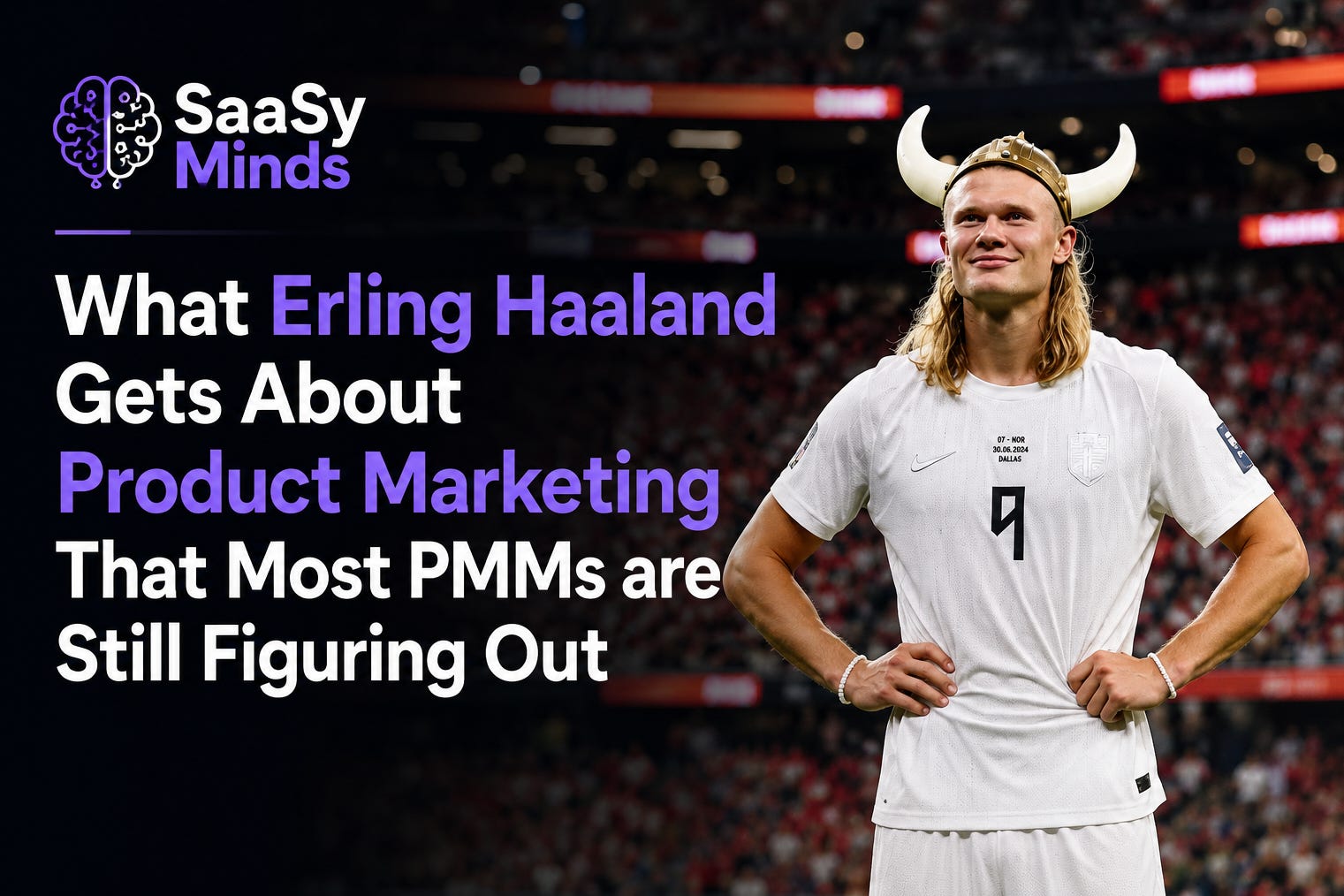
There is a version of the world’s best striker, Erling Haaland, that shows up in almost every video. He scores, and instead of the wild, chest-thumping celebration you expect from a striker who just broke another record, his face does almost nothing. No scream, no sprint to the corner flag, no falling to the knees or screaming at the sky. Just a neutral expression, sometimes a small nod, occasionally that cross-legged pose that looks more like meditation than celebration. He also happily plays along with the endless memes about him being a robot instead of getting defensive. He does not sulk after a miss either. Whatever happens, his reaction stays in roughly the same emotional register.
People call him a robot for it, but I think they are reading it wrong. What looks like a lack of emotion is actually the opposite. It is the visible tip of an enormous amount of invisible work. The calm is not empty. It is earned, built months and years before that ball ever hits the net, in places nobody watches. Once you notice it, it becomes hard to forget, especially if you work in product marketing.
Most Product Marketing Managers (PMMs) are trained to do the opposite. They treat the launch or executive review as the moment that decides everything. They scramble to get messaging out before a competitor beats them to it. PMMs are taught to be reactive and call it agility. But Haaland offers a different model, built almost entirely on what happens before the moment, not during it. Here is what I think we can take from it.
1. The Decision Was Already Made Before it Started
In a conversation with former England striker Alan Shearer, Haaland once explained his approach to missed chances and bad games.
“As a striker, I think it’s really important that when you’re in the game to not think too much. If I’m going to go into my next game thinking about the chance I missed last game it’s not good. You have to go into the game hungry. It doesn’t matter what happened before: if you scored three goals, if you scored zero goals, if you haven’t scored in a while. You have to go into the game with the same mentality. And so I think about not thinking too much.”
- Erling Haaland
That is not emptiness. It is a discipline done earlier. He does not need to think mid-match because the thinking, positioning, and mental reset already happened before kickoff.
PMM Lesson: Most PMMs do the opposite. You think hardest during the launch. Messaging gets rewritten the week before launch, positioning gets debated in the room while sales are already asking for the deck. If you find yourself improvising your core narrative during launch week, it is usually a sign that the real work didn’t happen early enough. The calmest launches I have seen were never calm by accident. They were calm because someone did the hard thinking a month ago when nobody was watching, and there was no pressure to get it right immediately.
2. He Learned to Outread the Game Before He Could Outmuscle It
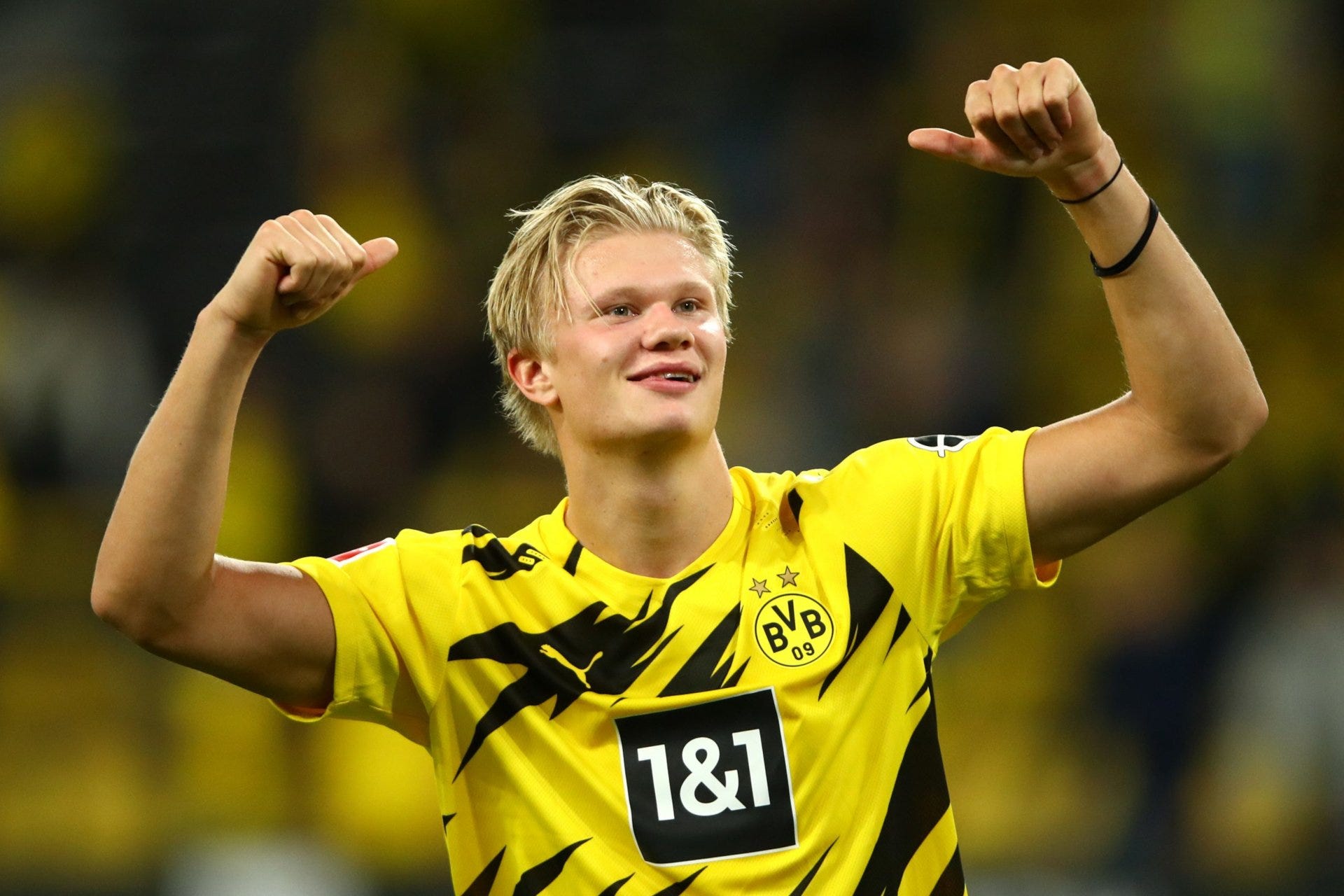
It is easy to forget that Haaland was not always this physically dominant figure. His former coach at Bryne, Gunnar Halle, has said that as a teenager, Haaland was small and still developing physically, well before his growth spurt changed everything. What made him effective even then was not size. It was his ability to read the game, understand positioning, and anticipate what a defender would do next. He could not yet simply overpower anyone, so that instinct made the difference. That instinct never left him. You can still see this today. For long stretches, he looks almost unbothered, more of a jog than a sprint. Then the ball arrives, one sharp burst, and the finish looks almost too easy. That ease is not laziness; it is what happens when you have already read where the play was going.
PMM Lesson: Much of PMM’s job gets treated as a production problem: more content, more campaigns, more collateral. But the PMMs who actually move the needle are usually the ones who read the market better, not the ones who produce more content. They detect a shift in buyer language before it shows up in win-loss reports. They sense a competitor’s repositioning before the sales team does. That kind of reading takes patience and attention, not more output.
3. He Looks for Edges Where No One Else is Even Looking
A detail from his time at RB Salzburg has stuck with me since I first read it. A former teammate described how, on team trips, while everyone else played cards to pass the time, Haaland read scientific articles on sleep and nutrition, looking for small, unglamorous improvements nobody else chased.
That same instinct shows up in how he talks about training itself. In one of his workout videos, he walks through the exact back-and-forth that happens before a hard session.
“Do I wanna do this? No! Will I do it? Yes, because why not? It is good for my body and mind.”
-Haaland
He describes fatigue as partly psychological, something you can talk yourself into or out of. If you tell yourself you are tired, you will be tired. Tell yourself otherwise, and it is often true, too.
That is not hustle culture. It is something subtler and more interesting. It is the instinct to seek gains in places that do not appear to require external effort.
PMM Lesson: In product marketing, this often shows up as boring, structural work. A sharper brief format, a better system for tracking competitive intelligence, or a cleaner way to structure customer interviews so insights are actually usable later. None of it looks impressive in a stand-up meeting. All of it compounds quietly over quarters while everyone else focuses on visible output.
4. He Never Waited for Anyone to Push Him
Halle also said something else about Haaland that is easy to skim past. He never had to be pushed by coaches or people around him; he always knew what he was working toward.
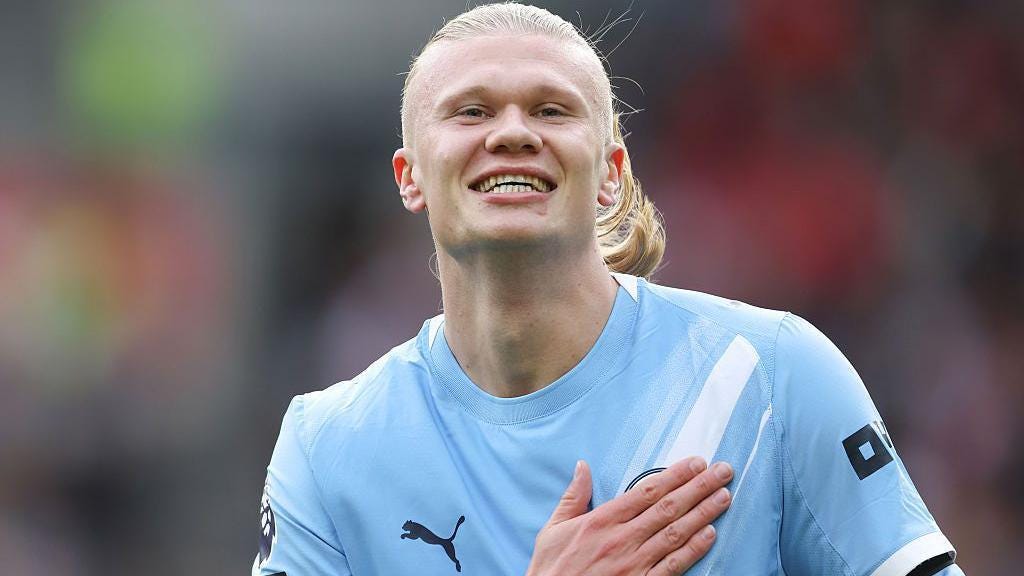
That is not motivation in the way we usually talk about it at work, the kind that comes from OKRs or a manager’s nudge. It is something closer to internal clarity. He knew the goal clearly enough that external pressure was almost irrelevant.
PMM Lesson: This is maybe the sharpest differentiating factor I see between early-career PMMs and those who become genuinely excellent. Some wait for the brief, prioritisation call, or go-ahead. Others notice a gap in positioning or a story not yet told and start working on it before anyone assigns it. Ownership, in the end, is clarity about the goal, strong enough that you stop needing someone else to remind you.
The Quiet Work Behind the Calm
The Viking row after a goal, calm even in celebration. The shrug after a miss. The way he laughs off his own robot memes instead of defending himself. None of it is emptiness. It is the result of thinking, reading, unglamorous preparation, and clarity of the goal already being in place. There is nothing left to do because the real work has already been done.
I do not think the lesson here is to be more like a robot. I think it is a harder question to ask. How much of your best thinking is happening in the room, under pressure, when it is already too late to do it properly? And how much could instead happen earlier, quietly, in the version of your work that nobody applauds? The work is finished before the moment arrives. The launch is just where it shows up.
That is the version of preparation Haaland has built his career on. It might be worth borrowing for the next launch.
Sources referenced: The Athletic, Goal.com, and public interviews on Erling Haaland’s career and mentality.